
「のむシリカが気になるけれど、口コミはどうなの?」
「ちゃんと効果があるの?」
「怪しい商品じゃないの?」
と気になっていませんか?
「シリカ」という成分は一般的には聞きなれないので、「体にどんな効果があるか」、「飲んで大丈夫なのか」など気になることが多いですよね。
この記事では、のむシリカの評判と特徴、のむシリカを一番安く購入できる方法、実際に試してみた効果をご紹介します。のむシリカの購入に迷っている人は、ぜひ参考にしてください。
\20%OFFキャンペーン中!/>>のむシリカを購入する
のむシリカの評判は悪いの?
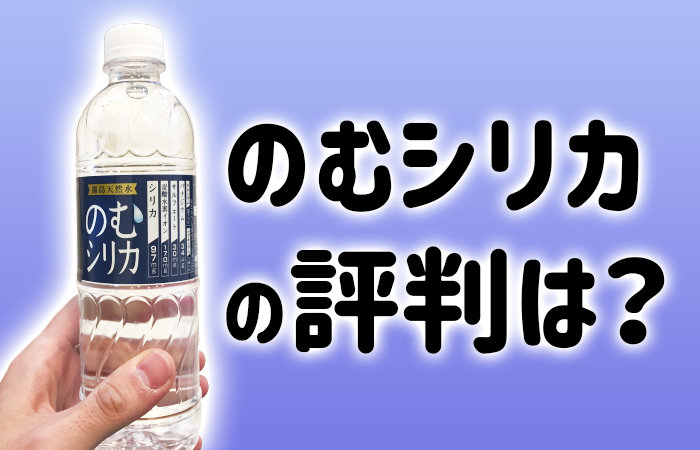
「のむシリカを購入してみたい」と思った時に気になるのが評判ですよね。こちらでは、のむシリカの良い口コミや悪い口コミ、そして口コミから分かるメリットとデメリットを説明します。
のむシリカの良い口コミ
のむシリカの良い口コミをご紹介します。
- ミネラルが多いので独特の味がするかと思ったけれど、クセがなく飲みやすかったです。美容と健康のために継続して購入したいです。
- 過熱しても成分がなくならないというのがうれしいです。硬水は飲みにくいものは本当に飲みにくいですが、のむシリカは飲みやすいので続けやすいです。デトックス効果があるからおすすめ。
- 「せっかく飲むなら体にいい水を飲みたい」と思ってシリカの含有量が多いのむシリカを選びました。中硬度の水は初めて飲んだのですが、飲みやすくおいしかったです。
ツイッターの口コミも調べてみました。
まだ残暑続くし適度な塩分と体にいいもの……( ˘ω˘ )大事
ちなみに、のむシリカ、癖が無くて飲みやすい。私水の味結構気になるから、飲みやすくてよかった!— なお (@77nana7777777) August 24, 2019
スタッフの千明に
『のむシリカ』をオススメされて飲んでいたら…お通じが以前に増していい感じに👀✨✨便秘はマグネシウムとビタミンC不足を改善すると根本的に解決しやすい。
のむシリカはミネラルが他のお水よりも豊富だからかなあ〜!続けていきたい習慣になった! pic.twitter.com/vhM1WzAWKD
— 水紀華@体質改善ダイエット/イメージコンサル (@hana032xxx) January 28, 2020
のむシリカを飲みはじめ2ヶ月をむかえました。根菜の煮込みも一週間に2回は取るようにしています。
まずはお肌の潤いが増してきたのと便通が良く腸内環境も整ってきた感じ。— silicablue (@silicablue1) May 21, 2019
シリカ水たくさんあるけど、のむシリカが成分バランス良かったです。
公式サイトが1番おトクでしたよ。— 麻希 (@beautydiet31) April 26, 2019
のむシリカの良い口コミから分かるメリット
のむシリカの良い口コミを確認すると、「飲みやすい」、「過熱しても飲むことができる」、「シリカの含有量が多い」などのメリットが分かりました。
一般的に硬度が高くなると、含まれるミネラル成分が多くなり独特のクセが出ることがあるのですが、のむシリカはクセがなく飲みやすいようです。「水を飲むのが苦手」という人でも料理に使ってしまえば無理なくミネラルを摂ることができます。
のむシリカの悪い口コミ
のむシリカの悪い口コミをご紹介します。
- のむシリカは体にしみこむのが分かるので、できれば毎日飲みたいけれど金銭的に難しいです。
- のむシリカは中硬水なので、硬水を飲み慣れていない私は飲んだ時にモニャっとする感じがしました。加熱してコーヒーや紅茶にすると飲みやすかったです。
- まだ飲み始めたばかりで効果があるのかよく分からないので、続けて飲んでみようと思います。
ツイッターでも調べてみました。
飲むシリカ、通常価格だと1ケース4500円だから1本あたり187円とか高すぎる
— ゆうじ (@utate11) August 16, 2019
毎月のむシリカを頼んでるけど…
いつも郵便局の人がとどけてくれるんだけど…
今回は佐川急便でとどいたけど…
箱が潰れてるし破けてるし汚いし一回箱が壊れてテープではられてた。
ひどすぎる。#佐川急便#ひどすぎる#箱破がこわれてる pic.twitter.com/wxB4gF1O0d— 29Q (@29Narurai1) May 18, 2019
のむシリカの悪い口コミから分かるデメリット
のむシリカの悪い口コミを確認すると、「毎日飲むには価格が高い」、「飲み心地が独特」、「効果があるか分からない」というデメリットが分かりました。
一般的にミネラルが豊富に含まれているほど、含まれるミネラルのクセが出てしまうものです。のむシリカは中硬度なのでそれほどクセがなく飲める人が多いようですが、人によって味覚は異なるので「飲みにくい」と感じることもあります。
のむシリカは過熱しても成分が変わらないため、「少し飲みにくい」という場合は、過熱してコーヒーや紅茶、料理などに利用しましょう。また、のむシリカを飲んだからと言ってすぐに体調に変化が出るわけではないので、最低でも1ヶ月は続けるのがおすすめです。
暴飲暴食、胃腸に負担がかかる食生活、睡眠を十分にとっていないなどの場合は効果が出にくいので生活改善をしつつ飲んでみるとより効果を感じやすくなります。
のむシリカの総合的な評判
のむシリカは人によってはクセがあると感じるようですが、「飲みやすい」という口コミが多かったので中硬度でも独特のクセが少なく、飲み続けやすいミネラルウォーターのようです。シリカの含有量も多く、カルシウムやマグネシウムなど健康維持に欠かせない成分を手軽に補給でしたい人におすすめです。
体の中の水分や細胞が変わるまでには時間がかかり、すぐに体調に変化が出るわけではないので公式サイトでは3カ月の継続をすすめています。試してみなければ効果は分からないので、まずは3カ月続けてみてみましょう。
のむシリカの3つの特徴
のむシリカは他のシリカ水と何が違うのでしょうか?のむシリカに含まれる成分や安全性など、のむシリカの3つの特徴をご紹介します。
①のむシリカに含まれる成分
のむシリカの採水地は鹿児島県の小林市です。のむシリカに含まれるミネラルはイオン化されているため、食物から摂取するよりも体に吸収しやすいという特徴があります。
のむシリカには、シリカ(ケイ素)、マグネシウム、カルシウム、炭酸水素イオン、サルフェート、バナジウムが含まれています。また、硬度は140mg、pHは6.9です。それぞれの成分の1リットル当たりの含有量を表にまとめました。
【1リットル当たりの含有量】
| 成分名 | 1リットル当たりの含有量 |
| シリカ(ケイ素) | 97mg |
| 炭酸水素イオン | 170mg |
| サルフェート | 30mg |
| バナジウム | 34mg |
| カルシウム | 31mg |
| マグネシウム | 14mg |
のむシリカは他のシリカ水と比べて、シリカの含有量が多いのが特徴です。他のシリカ水と1リットル当たりのシリカの含有量を比べてみると一目瞭然です。
【シリカ水に含まれるシリカの含有量(1リットル当たり/mg)】
| 財宝 | ガイヴォータ | FIJI Water | のむシリカ | |
| シリカ | 30.5 | 53 | 93 | 97 |
| マグネシウム | 0.2 | 0.3-0.6 | 1.5 | 14 |
| カルシウム | 1.8 | 1.0-1.3 | 1.8 | 31 |
| 炭酸水素イオン | なし | なし | なし | 170 |
シリカは、血管、関節、軟骨、骨、爪、髪の毛、肌、歯などの構成に必要な成分です。体内のシリカは年齢とともに減少するものの体内で生成することができなくなるため、シリカを含む食べ物や飲料で補給する必要があるのです。
シリカ(ケイ素)は、白米、玄米、人参、干しブドウ、バナナ、ほうれん草などの食べ物にも含まれています。1日で必要なシリカは10mgから40mgと言われていますが、食べ物で1日に必要とされるシリカを摂取するにはバナナなら約5本(バナナ約1kg分)、ほうれん草なら500g(約2束)です。
食べ物でシリカを補給しようとすると毎日たくさん食べなくてはならず、シリカを含む食べ物を毎日用意する手間もかかるので、忙しい毎日を送っているとなかなか難しいですよね。
シリカを含むミネラルウォーターであれば毎日手軽にシリカを補給できます。特にシリカの含有量が多いのむシリカはシリカだけでなく他のミネラル成分も含まれているので健康維持のためにぴったりと言えます。
②健康と美容をサポートしてくれる
シリカはコラーゲン、エラスチン、ヒアルロン酸、コンドロイチンなどを結び付け、強化する役割があります。そのため体内のシリカが減ってしまうと髪の毛や肌がパサついたり、弾力がなくなったり、薄毛になってしまう原因となるのです。
骨、軟骨、靭帯にもシリカが多く含まれており、骨を強くしたり、骨密度を上げる役割があります。骨周りのシリカが減ると関節が動かしにくくなる可能性が高くなってしまうのです。
またシリカは血管の弾力を保つ働きもあり、体内にシリカが十分にあると血のめぐりがよく、安定した血圧を保つサポートをしてくれます。血圧が安定するため脳梗塞の予防にも役立ちます。
③のむシリカは安全性が高い
のむシリカに含まれるミネラル成分は天然成分のため、いくら飲んでも体に害はありません。防腐剤も保存料も使用されていないので、安心して飲むことができます。
また、食品マネジメントシステムISO22000とJ-FOOSを取得した工場でボトリングされているため品質管理は徹底されています。ボトルはUV殺菌と除菌されたクリーンエアで殺菌され、天然水は130度で10秒加熱殺菌されているので、未開封であれば2年間保存することができます。
赤ちゃんのミルク用には不向き
のむシリカは子供からお年寄りまで安全に飲むことができる安全なミネラルウォーターですが、赤ちゃんのミルク作りには向いていません。
のむシリカはマグネシウムやカルシウムが豊富に含まれており大人には良い効果がありますが、ミネラルが多い分赤ちゃんの胃、腸、腎臓などに負担をかけてしまうとされています。赤ちゃんのミルク用にミネラルウォーターを使う場合は硬度が低い軟水を選ぶようにしましょう。
\20%OFFキャンペーン中!/>>のむシリカを購入する
のむシリカの効果
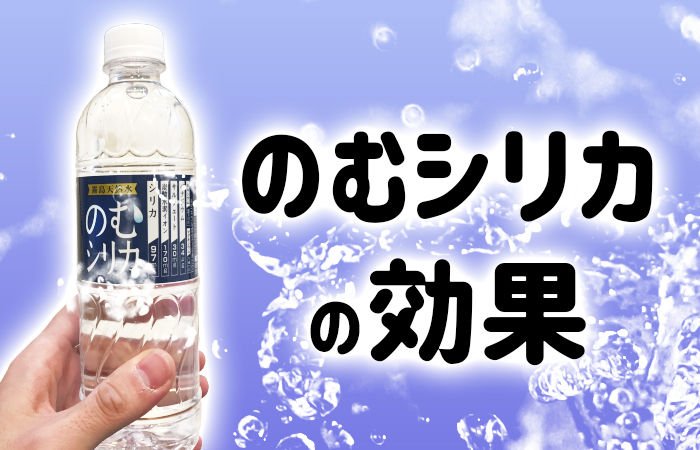
「のむシリカは体に良さそうだけど、実際の効果が気になる」という人は多いですよね。のむシリカを実際に試してみたところ、多くの口コミであったようにクセはなく、飲みやすかったです。さらに飲み続けているうちに体にも良い効果がありました。
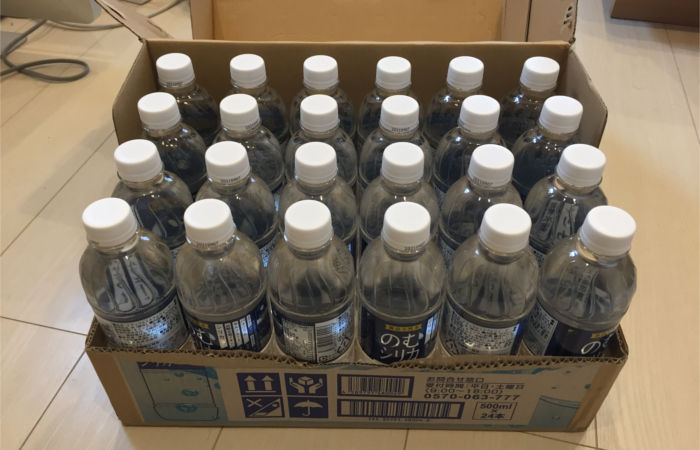
定期便で購入。1箱24本入り。
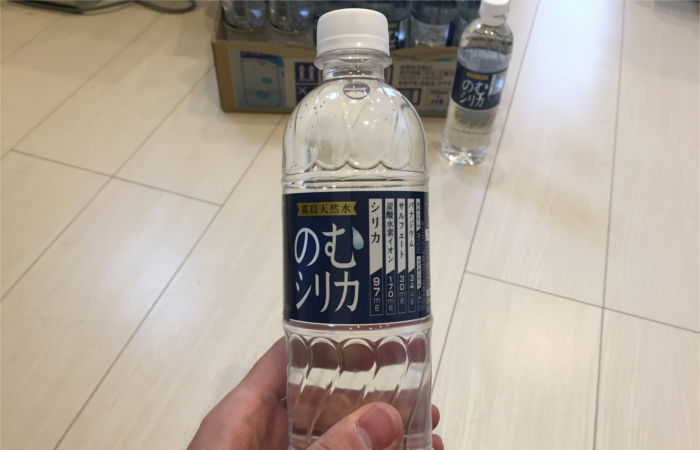
1日1本、1ヶ月飲み続けました!
便秘が少し改善した
のむシリカに含まれているマグネシウムは、体内で水分を集めやすい物質に変化し、腸内を刺激することで便通が改善するといわれています。ひじきやアーモンド、いりごまなどの食品にもマグネシウムは含まれていますが、普段の食事ではあまりマグネシウムを摂取できていませんでした。
のむシリカを飲み始めてからしっかりとマグネシウムを摂るようになったので、便通が良くなり体がすっきりとした感じがします。
髪と肌がきれいになった
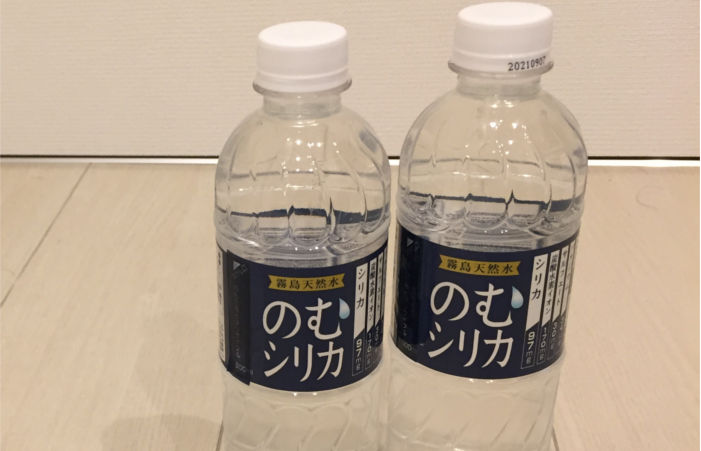
年齢とともに髪がパサパサになったり、肌の潤いがなくなっているのが気になっていたのですが、のむシリカを飲み始めてから少しずつ髪と肌がきれいになってきました。
パサパサだった髪の毛はやわらかい髪質に変わってまとまりやすくなり、肌は潤いがでてハンドクリームを頻繁に塗らなくてもいいくらいになったのがうれしいです。
のむシリカの購入方法
のむシリカを飲み続けるのであれば、購入しやすいかどうかも重要ですよね。こちらでは、のむシリカを購入できる場所と最安値で購入できる方法をご紹介します。
購入できるのはネット通販のみ
のむシリカはスーパーや薬局、コンビニエンスストアでは購入できません。販売されているのはアマゾン、楽天市場、ネットの公式取扱店などです。水は重さがあるので、自宅の玄関まで運んでくれるネット通販はとても便利ですね。
のむシリカを最安値で購入できるのはどこ?
アマゾン、楽天市場、公式取扱店の3店舗を比べると、どのお店で購入するのが一番安いのでしょうか?それぞれで購入する場合の値段と送料を表にまとめました。
【ネット通販で購入する場合の値段比較表】
500ml×24本分の値段と1本あたりの値段を比較しています(2019年12月時点)。また、値段は変更されることがあるため実際に購入する場合には各サイトで値段を確認してください。
| アマゾン | 楽天市場 | 公式取扱店 | |
| 購入価格 | 5,200円 | 4,500円 | 3,600円 |
| 1本あたりの値段 | 216円 | 187円 | 150円 |
| 送料 | 700円 | 700円 | 700円(毎月2箱以上定期購入する場合は送料無料) |
※(税込み価格)
アマゾン、楽天市場、公式取扱の値段を比較すると、公式取扱店で定期購入する方法が一番安くのむシリカを購入することができます。
公式取扱店の定期便ならいつでも20%オフ
公式取扱店で定期購入をするといつでも20%オフでのむシリカを購入することができます。2リットルサイズを購入できるのも公式取扱店だけです。
毎月1箱から定期購入が可能ですが、2箱以上定期購入すれば送料が無料になります。1箱24本入りを試しに1カ月毎日飲んでみる場合、1箱では足りなくなってしまうので2箱以上注文するのがおすすめです。
500mlを持ち運び用、2リットルを料理など用途に分けて使いたい場合は、500mlと2リットルの組み合わせでの購入も可能です。
\定期便なら20%オフ!途中解約OK/>>のむシリカを購入する
のむシリカの解約方法
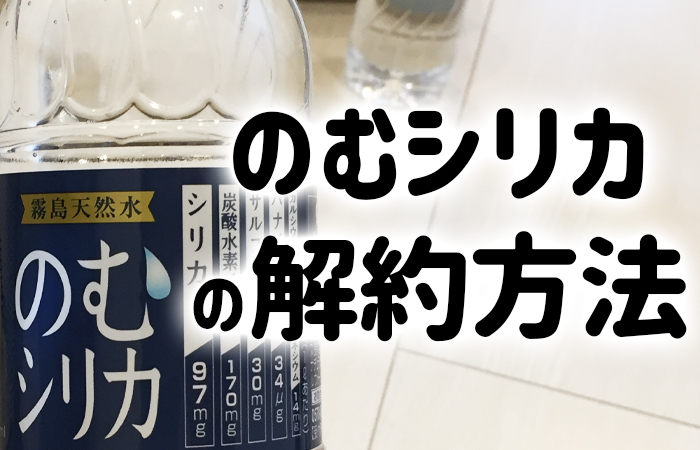
のむシリカをお得に購入するには、のむシリカの公式取扱店で定期購入することです。そのため、停止・変更・解約する場合には自分で手続きをする必要があります。こちらでは、のむシリカ定期購入の解約・停止・変更方法をご説明します。
解約は簡単
のむシリカはいつでも解約することができます。
「3回分続けて購入するまで解約できない」といった期間のしばりはないので、1回購入して「合わないな」と思う場合でも気軽に解約が可能です。解約する場合には、次回配送予定日の10日前までに電話連絡をしましょう。
いつでも停止・変更できる
「のむシリカの配送を一時的に停止したい」、「毎月2箱注文を毎月1箱注文にしたい」などの停止、変更も自由に行うことができます。
停止・変更手続きは解約手続きと同じく、「次回配送予定日の10日前まで」に専用電話番号に連絡をしてくださいね。
| 解約・停止・変更条件 | 次回配送予定日の10日前までに電話連絡 |
| 電話番号 | 0570-063-777 |
ミネラル豊富な「のむシリカ」で健康生活を

シリカは健康や美容を維持するために欠かせないミネラルですが、年齢とともに体内のシリカは減少していきます。体内で生成することができないため、のむシリカで手軽にシリカを補給しましょう。のむシリカは、シリカだけでなくカルシウムやマグネシウムなどのミネラルが豊富です。
特に「バランスのいい食事を作るのが大変」、「食が細いので食べ物でミネラルを補給するのが難しい」という人は、ミネラルウォーター「のむシリカ」で積極的にミネラル補給をしましょう。
\20%OFFキャンペーン中!/>>のむシリカを購入する